

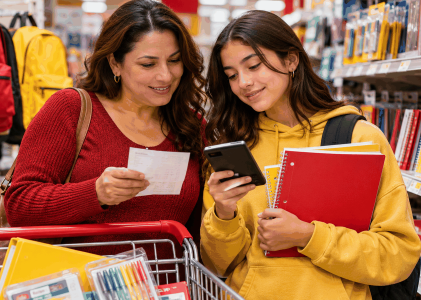
 A school supply list can look manageable until clothing, sports shoes, calculators, lunch containers, activity fees, and transportation expenses are added to the cart. Families researching practical borrowing considerations for household costs may be trying to bridge a gap between school-start expenses and their next paycheque. Before taking on any new payment, it helps to distinguish what must be purchased immediately from what can be reused, borrowed, shared, or bought later. A focused plan can turn a hectic shopping trip into a series of manageable decisions.
Check What Is Actually Required This Week
Schools sometimes publish lists before teachers have finalized classroom needs. Review the current information from your child’s school, and clarify whether a listed item is required on the first day or simply recommended for the term. For certain supplies, a durable basic version works just as well as a premium brand. The goal is to send a student to class prepared, not to make every purchase in one afternoon.
Take inventory at home before going to a store. Last year’s binders may still be usable, a backpack may only need cleaning, and unopened notebooks might be tucked into a cupboard. Ask children to participate in checking supplies and separating reusable items from worn-out essentials. This saves money while teaching a practical lesson: replacing something should follow a real need, not just the arrival of a new school year.
Make a Three-Column Shopping List
Divide purchases into essentials, useful extras, and items that can wait. Essentials might include suitable everyday footwear, basic writing materials, or a required course item. Useful extras might include additional organizers or upgraded clothing that would be nice but not necessary. Items that can wait include supplies needed only in a later semester or optional accessories chosen mainly for appearance.
Add a realistic maximum price beside each essential item and keep a running total while shopping. Taxes and transportation matter, so allow room for them rather than using the entire budget on shelf prices. If a preferred product exceeds its allowance, compare the extra cost with a different essential need. The list should help you decide which trade-offs are worthwhile, not simply record everything that catches someone’s eye.
Consider Second-Hand and Community Options
Consignment stores, neighborhood exchanges, and community groups may provide good-quality clothing, sports equipment, and backpacks at lower prices. For growing children, gently used items can be especially sensible when sizes change quickly. Inspect used footwear and protective sports gear carefully; condition and safety matter more than the size of the discount. Some communities and schools also coordinate supply programs, so it is worth asking discreetly about available assistance.
Group buying can work for inexpensive consumables if several families genuinely need the same products. However, large packages are only a bargain when the contents will be used. A bulk purchase that leaves half its contents untouched does not create meaningful savings. Compare unit costs and storage needs rather than assuming bigger packages always make financial sense.
Do Not Forget the Costs After September
The first shopping trip is only part of the school-year budget. Field trips, school photographs, activity registration, winter clothing, and special projects may arrive later. Look back at the prior year to estimate when those costs usually occur. Create separate categories for clothing replacement, school activities, and transportation so later expenses do not feel entirely unexpected.
Families with more than one child may need to stagger purchases across several pay periods. That is often more manageable than buying all optional items at once. If an essential expense still exceeds available cash, evaluate any payment plan or borrowing arrangement by its total cost and the effect on upcoming bills. Avoid assuming the next payday will be fully available when rent and groceries are due soon afterward.
Help Children Understand the Choices
Inviting a child to choose between two affordable backpacks or compare prices on notebooks can make budgeting collaborative rather than punitive. Explain that a household has a spending limit and that the choices should meet school needs first. Children can still have preferences and small treats within a plan, but those preferences do not need to determine the entire purchase.
A successful back-to-school budget leaves the family with the required supplies and enough money to manage the rest of the month. By inspecting what you already own, comparing sensible alternatives, and planning for later school costs, you can reduce the temptation to borrow for purchases that were never essential in the first place.